
- 1.Key Insights into Samsung Battery Drain
- 2.The Core Challenge: Lithium-Ion Battery Degradation
- 3.Software-Induced Battery Woes: A Modern Conundrum
- 4.Identifying and Mitigating Battery Drain
- 5.When to Consider Professional Intervention
- 6.Preventative Measures and Best Practices
- 7.The Impact of Specific App Behavior
- 8.Frequently Asked Questions
- 9.Conclusion
- 10.Recommended Further Exploration
- 11.Referenced Search Results
Key Insights into Samsung Battery Drain
- Software Updates Can Be a Double-Edged Sword: Recent Samsung One UI updates, particularly those in July 2026 and April 2026, have been widely reported as significant culprits behind rapid battery drain and overheating issues for many Galaxy users, especially on the S24 and S25 series.
- Aging and Usage Patterns are Crucial: Over time, all lithium-ion batteries degrade due to repetitive use, extreme temperatures, and charging habits. Continuous heavy usage and storage in hot or cold environments significantly accelerate this deterioration.
- Hidden Culprits Lurk in the Background: Power-hungry apps running in the background, high screen brightness, unoptimized settings, and even malware can silently consume your battery, leading to frustratingly short battery life.
Samsung Galaxy phones, renowned for their innovative features and sleek designs, occasionally face a pervasive issue that frustrates many users: accelerated battery drain. This phenomenon can transform a once-reliable device into a constant search for the nearest charger. Understanding the multifaceted reasons behind this problem, from the natural aging of lithium-ion batteries to software glitches and user habits, is crucial for effectively addressing it. This comprehensive guide delves deep into the common causes of Samsung battery drain, explores troubleshooting steps, and offers insights into maintenance and replacement options, empowering users to extend their device's longevity and performance.
The Core Challenge: Lithium-Ion Battery Degradation
Understanding the Electrochemical Reality of Your Phone's Power Source
At the heart of every Samsung Galaxy phone lies a lithium-ion battery, a marvel of modern chemistry that provides the energy to power our digital lives. However, these batteries are not immortal. They are consumable components, and their lifespan is inherently limited by their electrochemical nature. Over time, and with each charge-discharge cycle, these batteries undergo an electrochemical decline, gradually losing their capacity to hold a full charge. This is a universal characteristic of lithium-ion technology, not exclusive to Samsung devices. However, certain factors can significantly accelerate this natural degradation.
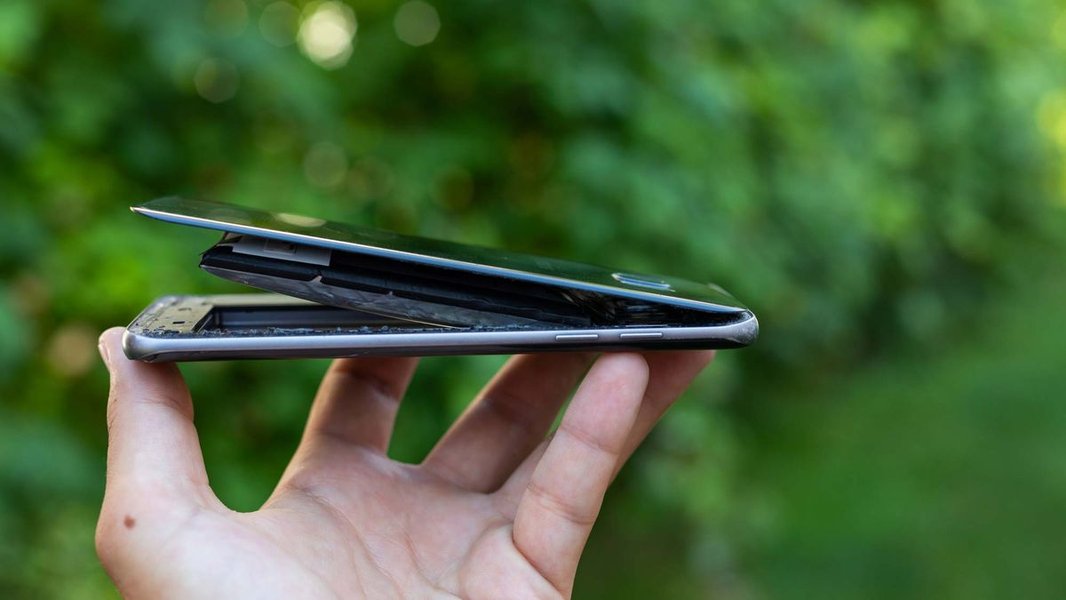
A swollen battery is a critical sign of severe degradation and a potential safety hazard.
Heat: The Battery's Arch-Nemesis
One of the most destructive forces for lithium-ion batteries is heat. Continuous use or charging in extreme temperatures, especially above 95°F (35°C), dramatically accelerates battery deterioration. This is why leaving your phone in a hot car or direct sunlight can be so detrimental. The chemical reactions within the battery become less stable at elevated temperatures, leading to a faster breakdown of its components and a reduction in overall capacity. Conversely, prolonged exposure to very cold temperatures (below 32°F or 0°C) can also harm the battery, although the effects are often less immediate than those caused by heat.
The Cycle Count and Charging Habits
Every time a battery completes a full charge and discharge cycle, it experiences a small amount of wear. While modern batteries are designed to withstand hundreds of these cycles, repetitive deep discharges (letting the battery drop to 0%) and prolonged periods at 100% charge can stress the battery. Some experts suggest that keeping the battery level between 20% and 80% can help prolong its overall lifespan. Fast charging, while convenient, also generates more heat, which as established, is not ideal for battery health.
Physical Damage and Swelling
Drops, impacts, or exposure to liquids can cause internal damage to the battery, compromising its integrity and leading to accelerated degradation. A particularly alarming sign of severe battery degradation is swelling. If you notice your phone's back cover bulging or the screen lifting slightly, it's crucial to stop using and charging the device immediately. A swollen battery poses a significant fire risk and requires urgent professional replacement.
Software-Induced Battery Woes: A Modern Conundrum
When Updates Bring Unexpected Challenges
While hardware degradation is inevitable, a significant portion of reported Samsung battery drain issues stems from software. Recent trends indicate a growing number of complaints following major One UI and Android updates.
The Infamous July 2026 and April 2026 Updates
Numerous users across various Samsung Galaxy models, particularly the S24 and S25 series, have reported severe battery drain and overheating issues after installing the July 2026 and April 2026 software updates. These updates, intended to deliver fixes and improvements, have paradoxically introduced instability for many. Reports indicate phones losing charge at alarming rates, even when idle, with some users experiencing significant overnight drain or rapid depletion within hours of light use. While Samsung has yet to officially acknowledge the widespread nature of these specific issues, community forums are replete with user testimonies.
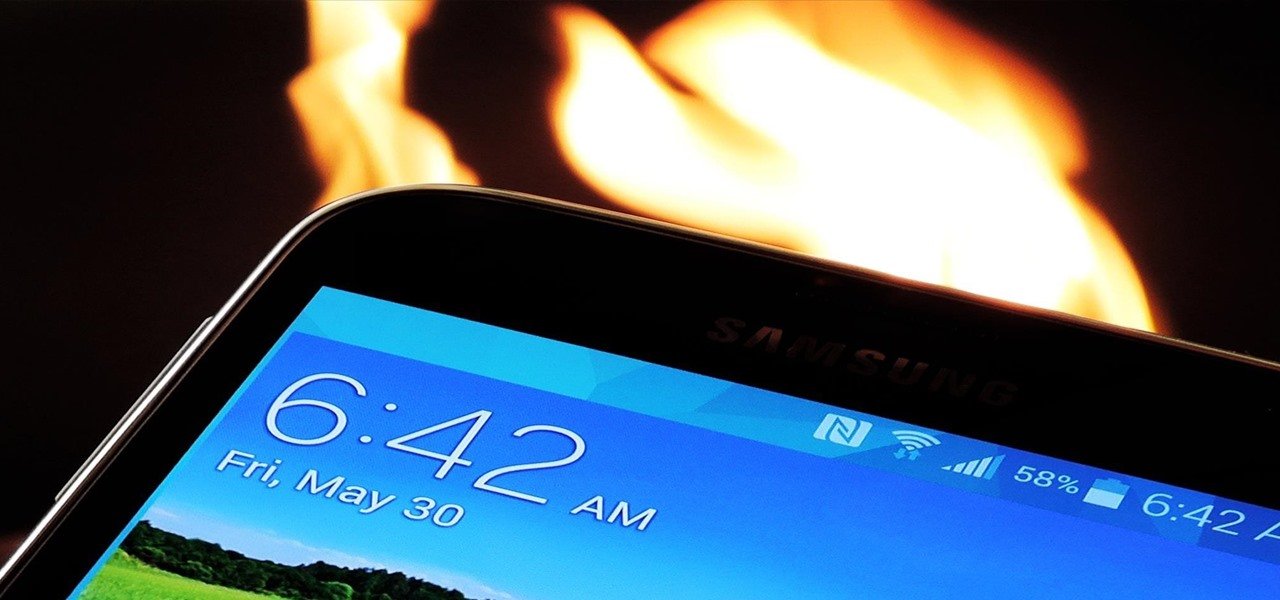
Overheating is a common symptom reported alongside battery drain, often linked to software issues.
This bar chart illustrates the relative impact levels of various factors contributing to Samsung Galaxy battery drain, with recent software updates showing a high impact.
System Optimization and Software Bugs
After a major OS update, phones often undergo a period of system optimization, where apps and system files are adapted to the new software. This process can be battery-intensive for a few days. However, when drain persists, it can indicate underlying software bugs within the update itself. A notable example involved WhatsApp getting stuck in its backup process after a July 2026 update, leading to significant battery consumption and overheating. Clearing the system cache can sometimes alleviate such issues, but fundamental bugs often require an official patch from Samsung.
Identifying and Mitigating Battery Drain
Practical Steps to Reclaim Your Battery Life
When your Samsung Galaxy starts exhibiting rapid battery drain, a systematic approach to troubleshooting can help pinpoint the cause and implement effective solutions. This often involves a combination of monitoring, adjusting settings, and optimizing app usage.
Initial Troubleshooting and Optimization
Before considering professional repair, several user-friendly steps can significantly improve battery life:
- Restart Your Device: A simple restart can resolve temporary software glitches or rogue apps consuming excessive power.
- Check for Software and App Updates: Ensure both your operating system and all applications are up to date. Updates often include battery optimizations and bug fixes.
- Utilize Device Care and Optimization Tools: Samsung Galaxy phones come with built-in "Battery and device care" features (found in Settings). Tapping "Optimize now" can identify power-hungry apps, clear unnecessary files, and optimize overall performance.
- Monitor App Usage: Within the "Battery and device care" section, you can see which apps are consuming the most battery. Identify and restrict background activity for apps you don't need constantly running.
- Enable Power Saving Mode: For immediate relief, activate Power Saving mode. This limits background activity, reduces screen refresh rate, and can significantly extend battery life.
Managing Power-Hungry Settings
Several device settings can have a substantial impact on battery consumption:
- Screen Brightness and Resolution: The display is often the biggest battery consumer. Lowering screen brightness, enabling adaptive brightness, and reducing screen resolution (e.g., from WQHD+ to FHD+ or HD+) can yield considerable savings.
- Always On Display (AOD): While convenient, AOD constantly illuminates pixels. Disabling it or scheduling it for specific times can conserve power.
- Location Services and Connectivity: GPS, Wi-Fi, and Bluetooth constantly searching for connections can drain battery. Turn off location services when not needed and disable Wi-Fi/Bluetooth if you're not actively using them.
- Push Notifications: Excessive notifications from numerous apps can keep your phone awake. Limit push notifications to essential apps.
- Vibrations and Haptics: While subtle, continuous vibrations can contribute to battery drain. Consider reducing or disabling haptic feedback.
This mindmap illustrates the complex interplay of causes and solutions for Samsung Galaxy battery drain, from aging hardware to software issues and user habits.
When to Consider Professional Intervention
Recognizing the Signs for Battery Replacement
Despite all optimization efforts, there comes a point when a battery has simply degraded beyond practical use. Knowing when to seek professional help or consider a replacement is key to maintaining your device's functionality and safety.
Signs Your Battery Needs Replacement
According to experts, several clear indicators suggest your Samsung Galaxy battery is failing:
- Rapid Battery Drain: If your phone consistently goes from 100% to 0% in just a few hours with normal use, it indicates significant degradation.
- Unexpected Shutdowns: The phone turning off suddenly, even with a seemingly high remaining battery percentage, is a classic sign of a failing battery unable to provide stable power. This can also occur after software updates, where an update might reveal an underlying issue with an older, weaker battery.
- Slow Charging: A healthy battery charges at a consistent rate. If your phone takes significantly longer to charge than it used to, the battery's internal resistance might have increased due to wear.
- Overheating: While some warmth during charging or heavy use is normal, excessive and persistent overheating during simple tasks can indicate battery problems.
- Physical Swelling: This is perhaps the most critical sign. If you observe any bulging of the phone's back cover or lifting of the screen, the battery has swollen. This is dangerous and requires immediate professional attention and replacement. Do not charge or use the device if this occurs.
- Battery Health Below 80%: Many Samsung phones with One UI allow you to check the battery's health percentage in settings (usually under "Battery and device care" > "Battery" > "More battery settings" or similar). If it falls below 80% of its original capacity, replacement is generally recommended for optimal performance.
The Battery Replacement Process
Replacing a Samsung Galaxy battery is a delicate procedure best left to certified professionals. A professional repair typically involves:
- Diagnosis: Technicians perform a comprehensive diagnostic to confirm the battery is indeed the issue and check for any other underlying problems.
- Quality Replacement: Using original Samsung (OEM) batteries is crucial for optimal performance, longevity, and safety. Third-party alternatives might be cheaper but can compromise quality.
- Skilled Installation: Samsung models can have complex internal layouts, requiring specific tools and expertise to safely access and replace the battery without damaging other components.
- Testing and Warranty: Reputable repair shops will test the new battery's charging capabilities and overall device functionality post-replacement. They often provide a warranty on the new battery for peace of mind.
It's important to note that in most cases, a third-party battery replacement from a reputable repair service will not void your manufacturer's warranty, especially if the original warranty has already expired. However, always review your device's specific warranty terms.
Preventative Measures and Best Practices
Extending Your Samsung Galaxy's Battery Lifespan
Proactive care can significantly delay battery degradation and maintain optimal performance. Implementing these best practices can help your Samsung Galaxy battery last longer:
- Keep Your Phone Cool: Avoid exposing your phone to direct sunlight, hot cars, or leaving it on heat-generating surfaces. Heat is the single biggest factor accelerating battery aging.
- Optimize Charging Habits: Aim to keep your battery between 20% and 80%. Avoid frequent deep discharges to 0% and leaving it plugged in at 100% for extended periods (especially overnight). Modern phones often have features to limit charging to 85% for battery protection.
- Use Original Chargers and Cables: Using counterfeit or incompatible chargers can lead to inefficient charging, overheating, and potential damage to the battery and device.
- Regularly Check Battery Usage: Periodically review which apps are consuming the most power in your device's settings. Close or restrict background activity for non-essential apps.
- Update Software Consistently: While updates can sometimes introduce issues, they also bring crucial battery optimizations and security patches. Keep your device updated, but be mindful of community reports after major updates.
- Disable Unused Features: Turn off Wi-Fi, Bluetooth, GPS, and Always On Display when not actively using them.
- Clear Cache Partition: After major software updates, clearing the cache partition (a separate storage area for temporary system files) can resolve various performance issues, including battery drain. This often involves booting into recovery mode.
- Consider a Factory Reset (Last Resort): If battery drain persists after all other troubleshooting, a factory reset can eliminate deep-seated software issues. Always back up your data before performing a reset.
By adopting these habits, users can significantly influence the health and longevity of their Samsung Galaxy batteries, ensuring a more consistent and reliable mobile experience.
The Impact of Specific App Behavior
Identifying and Managing Rogue Applications
Beyond system-wide issues, individual applications can disproportionately affect battery life. Understanding how apps consume power and managing them effectively is a critical aspect of battery optimization.
Identifying Power-Hungry Apps
Samsung's "Battery and device care" settings provide detailed insights into app-specific battery usage. This allows users to identify which applications are consuming the most power, both in the foreground and background. Apps that frequently use GPS, run intensive processes, or have unoptimized background refresh mechanisms are common culprits.
This radar chart visualizes the typical battery impact of various app activities versus an optimized scenario, highlighting areas for improvement.
Managing Background Activity
Many apps, especially social media, messaging, and navigation tools, continue to operate in the background to provide real-time updates and notifications. While this enhances user experience, it can be a major battery drain. Samsung allows users to implement "Deep sleeping apps" and "Sleeping apps" settings, automatically restricting background usage for selected applications. Users can also manually force-stop apps or revoke background permissions for particularly problematic ones.
The Case of WhatsApp and Other Known Offenders
As seen with the July 2026 update, specific app functionalities, like WhatsApp's backup process, can become buggy after a system update, leading to continuous, high background activity and battery drain. In such cases, temporarily disabling the problematic feature within the app or even reinstalling the app might resolve the issue until an official fix is released.
Ultimately, a combination of diligent app management, awareness of device settings, and understanding the natural life cycle of batteries empowers Samsung Galaxy users to combat battery drain effectively and enjoy their devices for longer.
| Category | Action/Recommendation | Expected Impact on Battery Life |
|---|---|---|
| Software Optimization | Run "Optimize now" in Device Care regularly. | Moderate to High Improvement |
| App Management | Restrict background activity for non-essential apps; put rarely used apps into deep sleep. | Significant Improvement |
| Display Settings | Lower screen brightness, reduce screen resolution, disable Always On Display. | High Improvement |
| Connectivity | Turn off Wi-Fi, Bluetooth, GPS when not in use. | Moderate Improvement |
| Charging Habits | Avoid 0% to 100% cycles; aim for 20-80% charging range. | Long-Term Battery Health |
| Temperature Control | Avoid extreme heat or cold exposure during use and charging. | Critical for Battery Longevity |
| Updates | Install system and app updates, but monitor community feedback for major OS updates. | Can Improve or Degrade (monitor closely) |
| Physical Inspection | Check for battery swelling (bulging back/lifting screen). | Safety & Immediate Replacement Need |
This table provides a quick reference for actions users can take to improve their Samsung Galaxy's battery performance and health.
Frequently Asked Questions
Why does my Samsung phone battery drain so fast after a software update?
What is battery swelling and is it dangerous?
Can I fix Samsung battery draining issues at home?
How often should a Samsung phone battery be replaced?
Does fast charging hurt my Samsung battery?
How can I check my Samsung battery health?
Conclusion
The journey to understanding and resolving Samsung Galaxy battery drain issues is often a nuanced one, encompassing everything from the inherent limitations of lithium-ion technology to the complex interplay of software updates and user habits. While the natural degradation of batteries over time is unavoidable, users possess considerable control over mitigating premature wear and optimizing their device's power consumption. By diligently managing app activities, adjusting display and connectivity settings, and adopting smart charging practices, the lifespan and daily performance of a Samsung Galaxy battery can be significantly extended. When these measures fall short, and signs of severe degradation like rapid drain, unexpected shutdowns, or swelling appear, seeking professional battery replacement becomes not just a matter of convenience, but of safety and ensuring the device's continued functionality. Ultimately, an informed approach to battery care is the best defense against the frustrations of a rapidly draining phone.
Recommended Further Exploration
- Optimizing Samsung Galaxy settings for extended battery life
- Understanding lithium-ion battery degradation and longevity tips
- How to troubleshoot Samsung Galaxy overheating problems
- Professional Samsung battery replacement services and costs